
● Made in Bangladesh ● Trusted by International Buyers Since 2018
Outerwear built for the way it is worn.
Your jacket, carefully specified.
Sampling time
Established in Bangladesh
Team size from our factory profile
Your artwork, labels and packing
THE PRODUCT
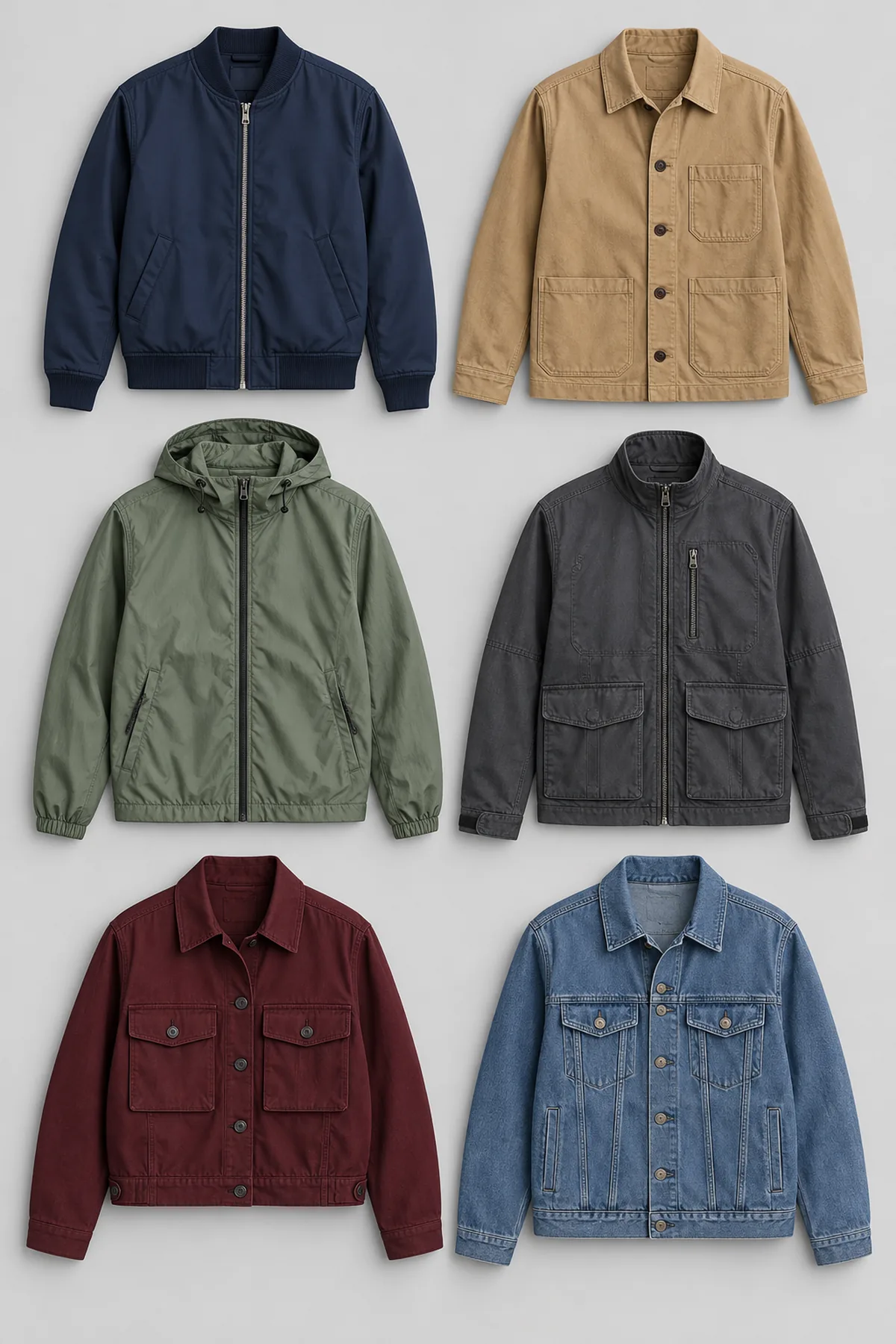
Start with the jacket’s purpose and season. A light coach jacket, a structured chore coat and a lined bomber need distinct patterns, materials and construction. Tell your Woven Jackets Manufacturer in Bangladesh what the wearer will put underneath so the shoulder, chest and sleeve allow the intended movement.
Review the jacket over the intended underlayer, with the front closed as well as open. Check shoulder movement and body length together so the outerwear silhouette remains usable when layered, not merely balanced on a hanger.
Fit the sample over the planned shirt or midlayer. Check the shoulder line, chest ease, sleeve pitch, body length, closure and hem when the wearer reaches and sits. Discuss these observations with your Woven Jackets Manufacturer in Bangladesh before correcting the pattern, and keep the accepted sample as the production reference.
Give your Woven Jackets Manufacturer in Bangladesh finished chest, shoulder, body, sleeve and armhole measures, with tolerances. Define grade rules for pockets, cuffs and closure length so each size retains the intended proportions and usable layering space.
Identify shell and lining measurements separately, with the intended layering allowance recorded beside the size chart.
YOUR OUTER LAYER. YOUR FUNCTION. YOUR BRAND.
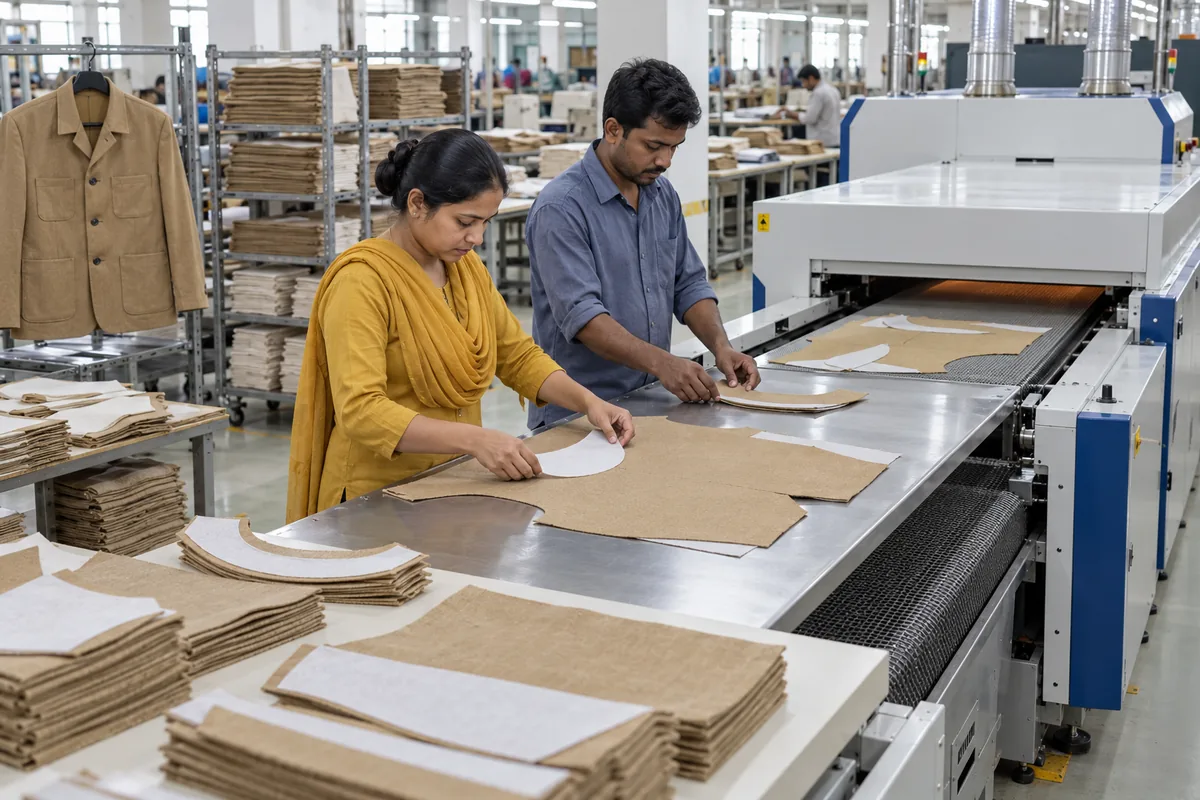
Bring shell, lining, fit and hardware together in one approved jacket.
Private-label jackets can carry embroidery, patches, branded snaps, zipper pullers, woven labels and hangtags. Supply your Woven Jackets Manufacturer in Bangladesh with artwork and trim references, including dimensions and placement. Confirm branding on the complete garment, including any lining and pocket arrangement.
Review patches and embroidery against pockets, seams and lining attachments before accepting placement. Check branded closures on the complete jacket for appearance and operation. Keep accepted artwork, hardware finishes and label positions with the approved sample, so component substitutions are reviewed rather than introduced unnoticed.
MOQ per design / colour
Sample lead time
Production lead time
Send a jacket reference or tech pack, intended use and underlayer, shell and lining directions, collar and pocket drawings, closure and trim specifications, finished size chart, artwork, size-colour quantities and destination. Review the worn sample, consolidate corrections with your Woven Jackets Manufacturer in Bangladesh, then approve current files before bulk.
Separate shell-fit and lining comments before revision.
Confirm revised sleeve movement over the intended layer.
Confirm the corrected sample with your Woven Jackets Manufacturer in Bangladesh in writing. Keep the final size chart, shell, lining, hardware, artwork and packing files together for production and repeat orders.
Retain the jacket with its approved shell, lining and closure references as a dated record. Compare any material change on a complete layered sample, checking movement and front balance rather than judging a swatch alone. Record deliberate finishing updates separately so repeat production follows the actual accepted construction.
Work back from target arrival through freight, packing, sewing, cutting, shell, lining and approvals. Custom fabrics or imported hardware can extend the plan.
Confirm folded or hanging presentation with the actual jacket, including protection for collars, closures and trims. Identify shell-and-lining variants clearly on packs and cartons. Agree size labels and assortments before packing starts, so the receiving team can distinguish similar colours and constructions without guessing the approved contents.
Planning begins at 500 pieces per style and colour with suitable matching stock fabric. Custom fabric may require around 2,000 pieces. The quotation confirms the actual minimum.
Yes. Send a reference and finished size chart. Test shoulder, chest, sleeve, hem and closure while wearing the intended underlayer.
Review the jacket over its intended underlayer, with the front closed and open. Check reaching, seated comfort and sleeve movement separately from the standing appearance. Identify whether a restriction comes from the shell, lining or armhole before choosing a correction. Keep the sample size and material versions with your comments. A looser chest measurement alone may not solve a short lining or tight sleeve, so compare the complete revised jacket with the approved layering brief before accepting it across the range.
Provide artwork, label sizes, patch or hardware references, placement and packing files. Review the branded jacket before bulk approval.
Specify collar shape, cuffs, zippers, snaps, buttons, plackets and pocket positions on a technical drawing. Test function on the complete sample.
Cotton twill, canvas, nylon, polyester, denim and corduroy may be discussed subject to availability. Lining options depend on construction; compare movement and care.
Sampling is estimated at 10–15 days. At the applicable MOQ, production may be planned for 15–30 days after PP approval and material readiness. Lining, trims, complexity and quantity affect the final quote; freight is separate.
Agree folding or hanging, closure protection, bags, barcodes, size stickers, carton assortments and shipping marks before dispatch.
Retain the accepted pattern, sample, shell, lining, hardware and artwork files. Recheck material availability and changes before repeat production.
Share silhouette, intended use, underlayer, size chart, shell and lining, closure, pockets, artwork, size-colour quantities, packing and destination.
Include shell and lining references, intended season and layering allowance alongside colour and size quantities. Provide closure, collar and pocket details, with current artwork where decoration is required. Identify any garment testing requested in the brief rather than assuming a fabric name proves performance. Explain folded or hanging delivery and protection for hardware early. Keep the latest drawing and size chart together, marking unresolved choices separately, so the quotation covers the actual jacket construction and presentation you intend to receive.
Woven jacket manufacturing in Bangladesh begins with the intended wearer and use, not with a generic outerwear pattern. An office layer, a field uniform and a casual weekend jacket all need different room for movement and different fabric behaviour. Before requesting a quotation, define the silhouette, season, expected underlayer and size range. Send front and back views with the collar, cuff, hem, pocket and closure drawn clearly. This gives the development team a useful starting point for custom woven jackets.
A full jacket specification should connect the shell fabric with its lining, interlining and hardware. State whether a lined interior is needed and where extra support belongs. Give finished chest, shoulder, body and sleeve measurements with tolerances. If a physical sample exists, explain what must change instead of treating it as an exact pattern. Review the first sample over the shirt or midlayer your customer will actually wear.
Keep one approved technical file for each style and colour with your Woven Jackets Manufacturer in Bangladesh. It should identify materials, trim codes, grading, branding and packing. When a buyer changes the collar or pocket shape, check whether the new detail affects fit, stitch operations or cost. Record that decision before cutting bulk material.
Bomber jackets often depend on a balanced rib or elastic hem and a compact body. Coach jackets are usually lighter and need a clean front and comfortable sleeve. Chore jackets may use firmer cloth and larger working pockets. Utility jackets call for still more attention to access, reinforcement and weight distribution. A single pattern cannot deliver these distinct results merely by changing the pocket arrangement.
For lightweight woven jackets, ask how the selected nylon or polyester shell handles and whether it needs a coating. Do not promise water protection from a fabric name alone; test the actual material and construction if a performance claim is planned. Cotton twill can make a more structured jacket. Canvas may be useful for a robust look but can become bulky at folded seams. Denim and corduroy introduce their own shade and care questions.
Layering ease matters at the chest, armhole and sleeve. Review the fit with your Woven Jackets Manufacturer in Bangladesh, wearing the jacket both closed and open over the intended garment. For lined jackets, ask the wearer to reach forward, raise an arm and sit. Observe whether the back, lining or cuff pulls. Compare the sample before and after the agreed care process so a good first fitting is not undone by shrinkage.
Jacket closure options include zippers, snaps, buttons and concealed plackets. Specify the opening length, tape or button colour, overlap, puller and reinforcement. Test the chosen hardware on the sample; a stiff zipper can distort a soft shell. Check that front edges remain even when closed and that the wearer can operate the opening comfortably. Imported or custom hardware may require a different sourcing schedule.
The collar should sit cleanly when worn open and closed. Set its shape, stand and attachment method in the specification. Decide whether cuffs and hems will be straight, elastic, ribbed or adjustable. These choices influence the overall silhouette and where the wearer feels tension during movement. The grade rules should scale the details sensibly across sizes.
Give your Woven Jackets Manufacturer in Bangladesh detailed pocket drawings rather than a pocket name alone. Give opening dimensions, placement, bag depth and expected use. A patch pocket can support a casual chore look; a welt or zip pocket can produce a cleaner finish. Inspect pocket corners, bartacks and symmetry on the finished garment. When the pocket holds weight, test whether it pulls the shell or lining out of shape.
Private label jackets may carry embroidery, woven patches, custom zipper pullers, branded snaps, neck labels and hangtags. Supply your Woven Jackets Manufacturer in Bangladesh with current artwork files, dimensions and placement. Check the decoration against the fabric and any seam or pocket underneath it. A patch that looks well placed on a flat drawing can move awkwardly when the jacket is worn. Approve a complete branded sample before bulk production.
The shell and lining need separate material approvals. Identify jacket shell fabrics by article, weight, composition and approved colour. Confirm trims, thread, interlining and any tape or binding at the same time. If a proposed substitute changes weight, hand feel or stretch, assess the garment again rather than assuming it will behave like the original. Maintain a trim card and photograph of the signed sample so inspectors can check the same reference.
The GINETEX care-symbol reference explains textile-care marks. Set the final label from testing the actual shell, lining, decoration and hardware. Agree size labels, barcodes, hangtags and packaging files ahead of dispatch. This helps export woven jackets arrive with consistent product identification.
Bulk woven jackets may be planned from 500 pieces per style and colour where suitable matching stock fabric is available. Custom fabric may require around 2,000 pieces. Ask your Woven Jackets Manufacturer in Bangladesh to confirm these planning figures and the applicable minimum in a product-specific quotation. A simple unlined layer and a jacket with complex lining, pockets or special closures will not have identical material needs or schedules.
Sampling is estimated at 10–15 days after the brief, measurements, materials and hardware are ready. At the applicable MOQ, production may be planned for 15–30 days after pre-production approval and material readiness. These are working ranges, not guaranteed arrival dates. Imported zippers, custom coatings, extra fitting rounds or higher order volume can move the timetable. International freight is separate.
Tell the woven jacket factory the target delivery destination and date early. Build the schedule backward through freight, packing, sewing, cutting, material receipt and approvals. When a fit change requires a new pattern or when the buyer selects a different shell, request a revised sample, price and production plan. A written change record keeps the commercial and technical decisions aligned.
Your Woven Jackets Manufacturer in Bangladesh should conduct quality checks for wholesale woven jackets against the approved sample and size chart. Measure chest, shoulder, body, sleeve and armhole at agreed points. Inspect front alignment, collar shape, pocket position, closure operation and reinforcement. Check that shell and lining lie together without twisting or restricting reach. Record differences by size, shade and production batch so corrections are traceable.
Agree how the jacket should be presented: folded or hung, zipped or open, with accessories secured. Provide barcodes, size stickers, hangtags, polybag details, carton assortments and shipping marks. Protect decorated panels and metal hardware from rubbing other items in the box. Inspect packed quantities against the approved purchase order and destination instructions.
Repeat orders rely on the accepted pattern, sample, shell, lining, hardware, artwork and packing files. If an original fabric is unavailable, retest fit, drape and care with the substitute. A changed lining can also alter movement at the sleeve or hem. Confirm any new MOQ or lead-time implications before calling the repeat a like-for-like programme. Good records make later sourcing decisions faster without hiding a material change.
YOUR NEXT JACKET COLLECTION
Send a brief to a Woven Jackets Manufacturer in Bangladesh: intended wearer, shell and lining, fit, closure, pockets, size chart, branding, quantities and destination.
500 / 2,000 Pcs · Matching stock / custom fabric per style / colour, subject to quote
10–15 days · Sampling
15–30 days · Production at applicable MOQ after PP approval
The quotation confirms the minimum and schedule. Freight is separate.
Discuss on WhatsApp ↗
+880 1712396281
Send your jacket drawing or reference, intended use, shell and lining, collar, cuffs, pockets, closure, measurements, branding, quantities and destination for a product-specific review.
Include the intended season, underlayer and preferred jacket silhouette. We can discuss the development sample against those priorities, with unresolved shell, lining, closure and presentation requirements recorded before production approval.
WhatsApp Us